Rising Prevalence Demands Clinical Attentionx
Anxiety disorders represent the most prevalent psychiatric conditions in adults, with recent US Census data showing 24% of adults having received an anxiety disorder diagnosis. Generalized Anxiety Disorder (GAD) alone affects over 16 million US adults, with prevalence increasing from 13.3 million in 2020 to 16.4 million in 2023. This rising burden creates substantial disability-adjusted life years (454.8 per 100,000 population) and significant healthcare resource utilization.
Diagnostic Considerations and Comorbidity Patterns
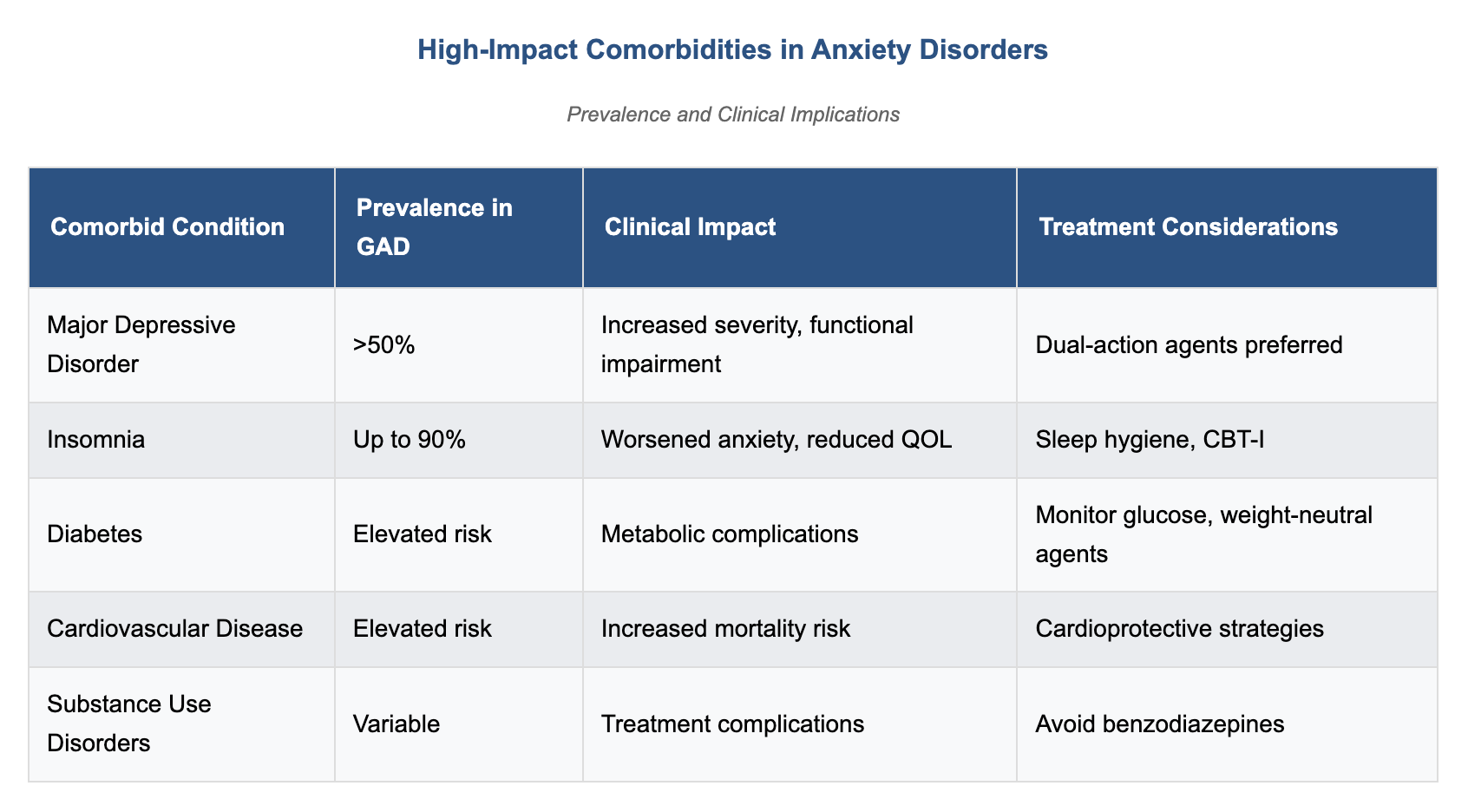
The five primary anxiety disorders—GAD, Social Anxiety Disorder, Panic Disorder, Agoraphobia, and Separation Anxiety Disorder—share core features of excessive fear and avoidance behaviors but require distinct diagnostic criteria. Clinicians must recognize that anxiety disorders demonstrate high comorbidity rates, with over 50% of GAD patients also meeting criteria for Major Depressive Disorder and up to 90% reporting insomnia. Additional medical comorbidities including diabetes, cardiovascular disease, and hypertension are significantly elevated in anxious patients.
Treatment-Resistant Anxiety: A Growing Challenge
Treatment resistance, defined as failure to respond to at least one first-line SSRI/SNRI and psychotherapeutic intervention while maintaining moderate symptoms with functional impairment, affects a substantial subset of patients. Clinicians should systematically evaluate potential contributing factors including unrecognized substance use, concurrent medications (caffeine, sympathomimetics, corticosteroids), medical conditions (thyrotoxicosis, cardiac arrhythmias), and comorbid psychiatric conditions such as ADHD or personality disorders.
Evidence-Based Treatment Approaches
First-line treatment combines SSRIs/SNRIs with cognitive-behavioral therapy, particularly exposure-based interventions that leverage extinction learning principles. Meta-analytic data demonstrates comparable efficacy between SSRIs and SNRIs, with both showing superior outcomes to benzodiazepines over 8-week treatment periods. Treatment duration should extend to 12 months minimum, as studies show 12-month continuation reduces relapse rates by 50% compared to 6-month treatment.
Strategic Use of Augmentation Therapies
For treatment-resistant cases, evidence supports several augmentation strategies. Pregabalin demonstrates efficacy as adjunctive therapy, with responder rates of 48% versus 35% for placebo in treatment-resistant patients. Quetiapine XR shows comparable efficacy to paroxetine in GAD (42.6% versus 39% remission rates). Lavender oil (Silexan) provides a well-tolerated option with modest but significant benefits over placebo.
Benzodiazepine Considerations
While benzodiazepines show rapid onset and effectiveness, their use requires careful patient selection. They remain appropriate for breakthrough symptoms, acute expected anxiety, and partial SSRI/SNRI responders. However, clinicians should avoid prescribing to elderly patients, those with substance use histories, concurrent opioid users, and individuals at fall risk.
Clinical Implementation Strategy
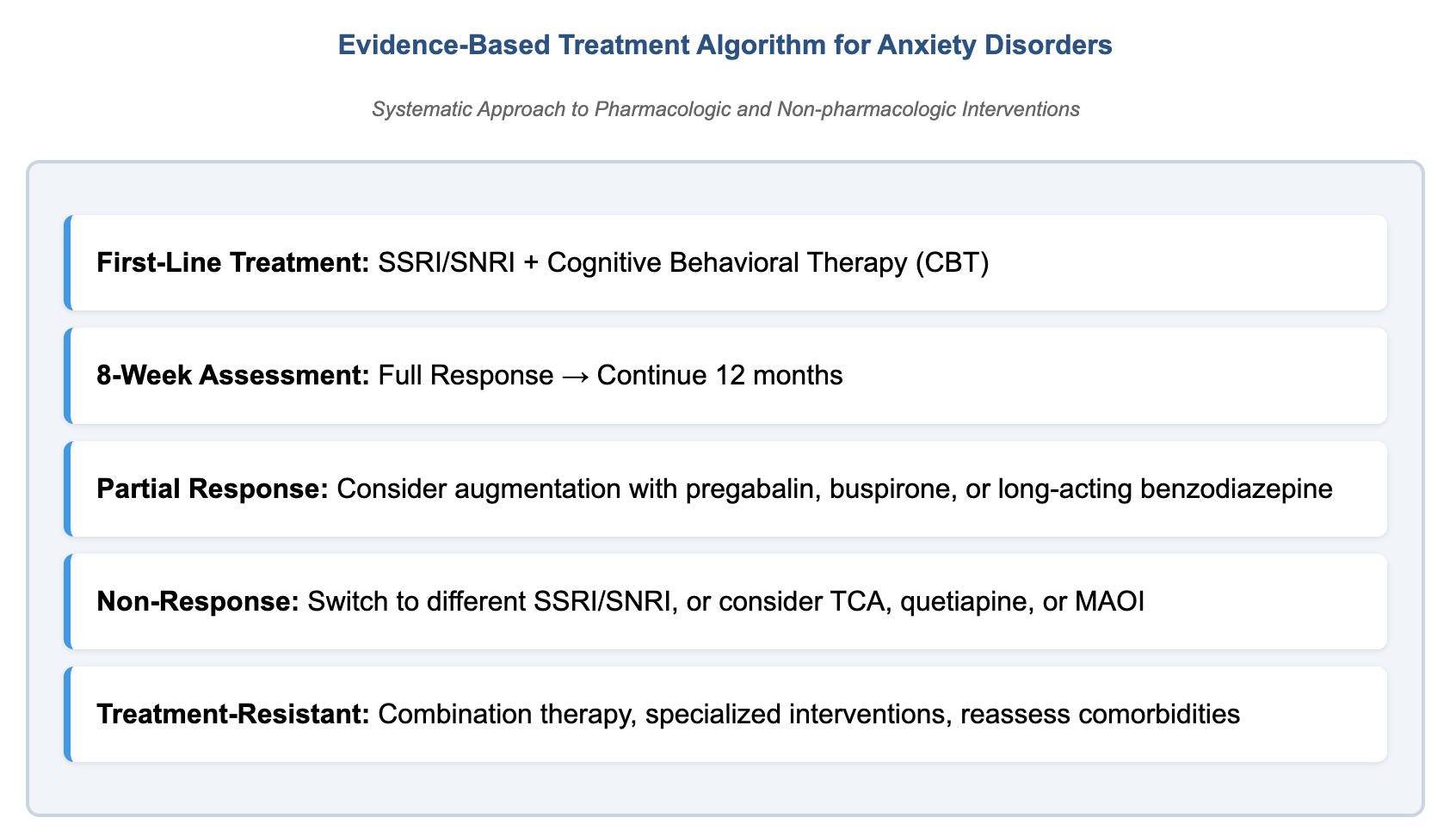
Successful anxiety management requires early recognition using DSM-5 criteria, comprehensive comorbidity assessment, and systematic treatment approaches. Begin with non-pharmacologic interventions including sleep hygiene, exercise, and relaxation techniques. Implement evidence-based CBT with exposure components while initiating appropriate pharmacotherapy. Monitor treatment response at 8 weeks, adjusting doses or switching agents as indicated. Consider augmentation strategies for partial responders while maintaining focus on long-term functional improvement and quality of life restoration.